

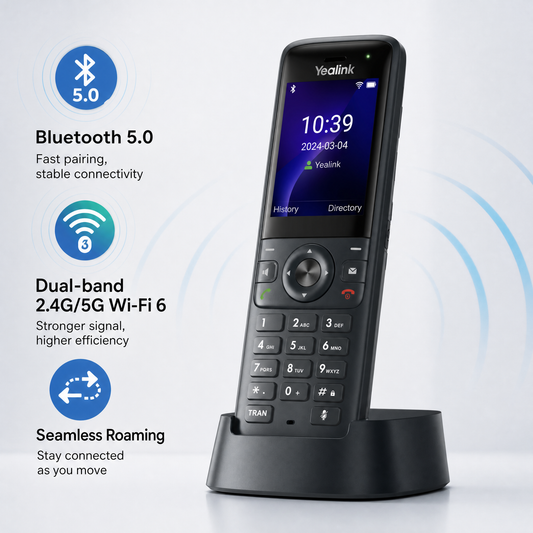
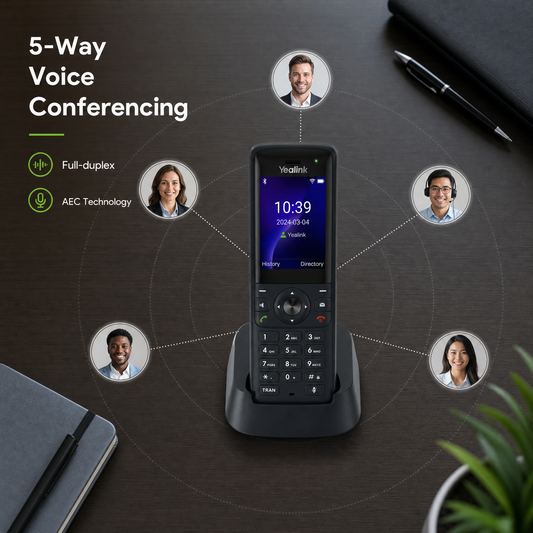
Yealink AX83H Enterprise Wi-Fi 6 IP Handset with Dual-Band Wireless, 5-Party Conference, and Seamless Roaming
-
$200.00 - Regular price
- $117.50
- Sale price
- $117.50
- Unit price
- per
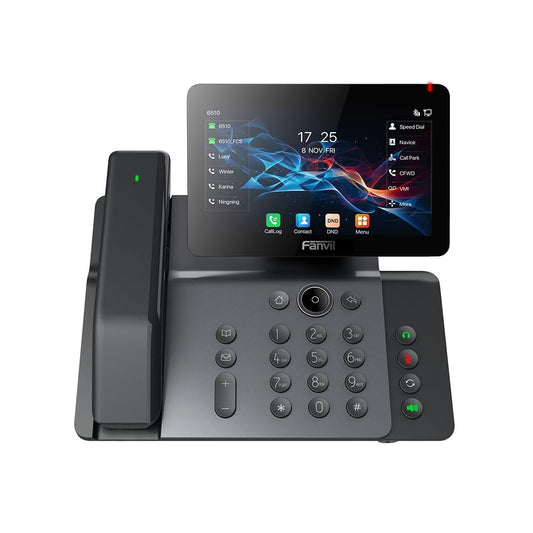
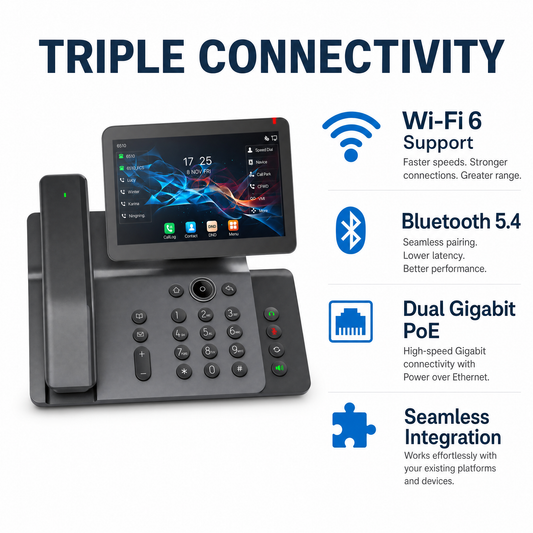
Fanvil V66 Pro Enterprise Android IP Phone with 7-Inch Display and Bluetooth for UC Teams
-
- Regular price
- $189.00
- Sale price
- $189.00
- Unit price
- per
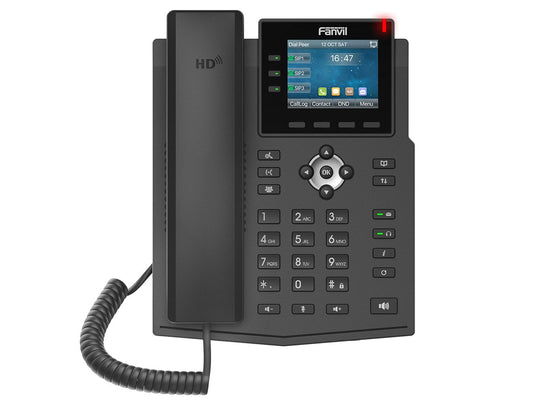
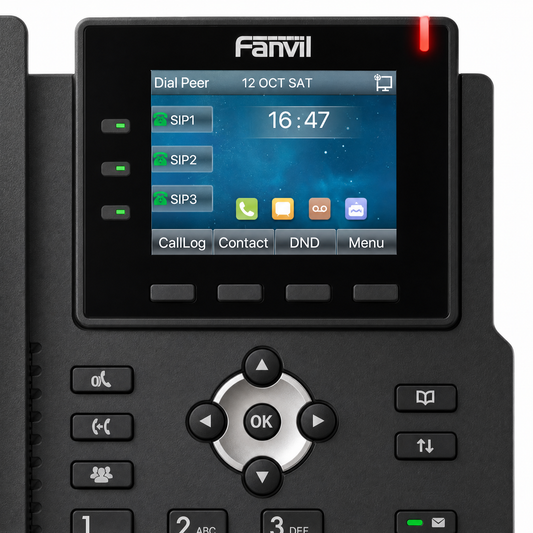
Fanvil X3U Pro Entry-Level Color IP Phone with 6 SIP Lines and HD Audio for Small Business
-
- Regular price
- $69.00
- Sale price
- $69.00
- Unit price
- per
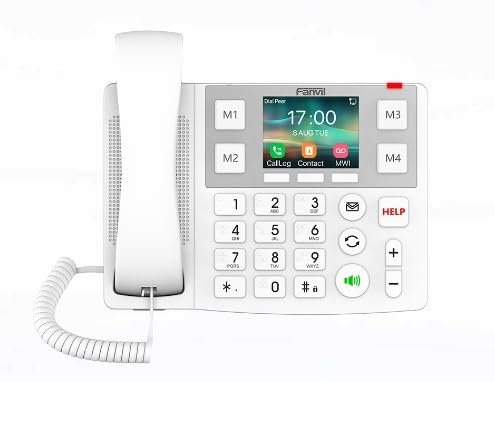

Fanvil X305 Large Button IP Phone with 3.5" Color Display and Emergency Call Support for Healthcare
-
- Regular price
- $99.00
- Sale price
- $99.00
- Unit price
- per
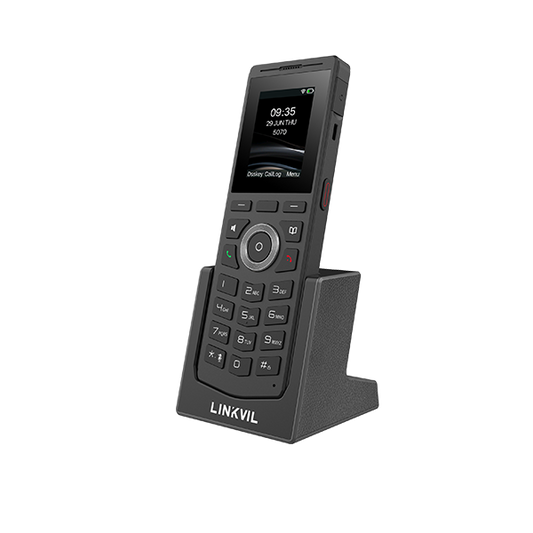
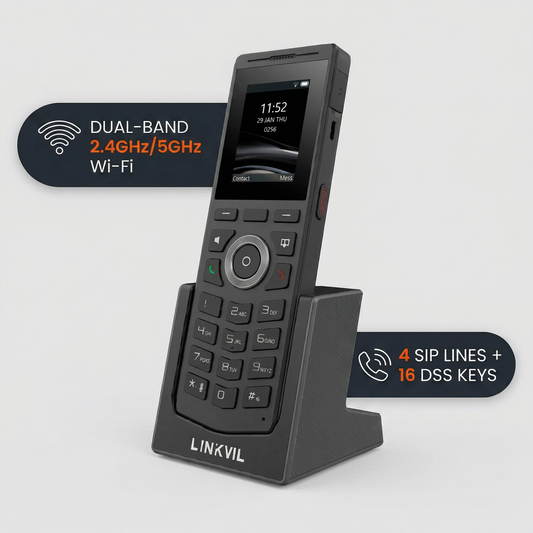
Fanvil W610W Portable Wi-Fi Phone - 2-Inch 240x320 Color Display, 4 SIP Lines, Dual-Band 2.4GHz/5GHz Wi-Fi, Bluetooth 5.0, 16 DSS Keys, 1900mAh Battery, HD Voice, Drop-Safe 1.8m, PTT Button, Black
-
- Regular price
- $110.00
- Sale price
- $110.00
- Unit price
- per
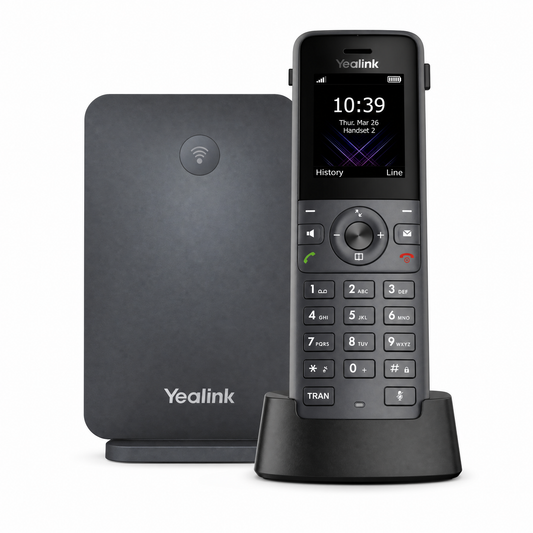
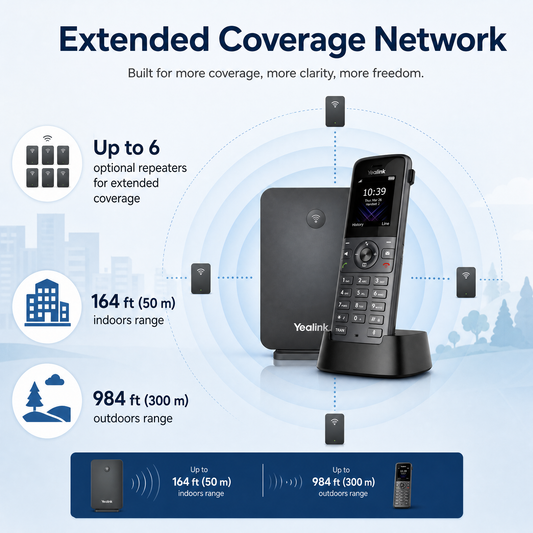
Yealink W73P DECT IP Phone System with 10 Handset Capacity for SMB Wireless Communication
-
- Regular price
- $168.75
- Sale price
- $168.75
- Unit price
- per
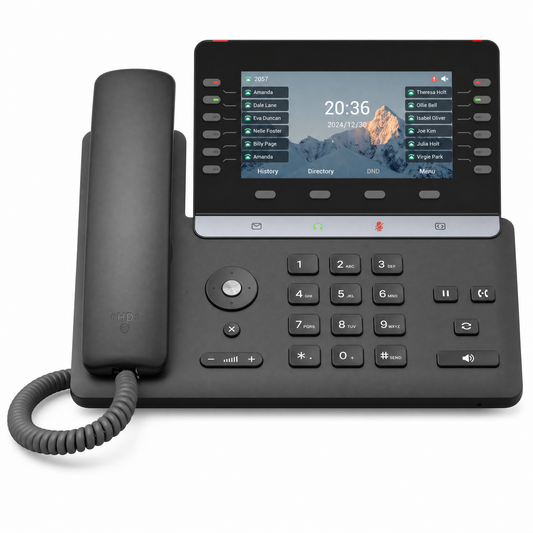
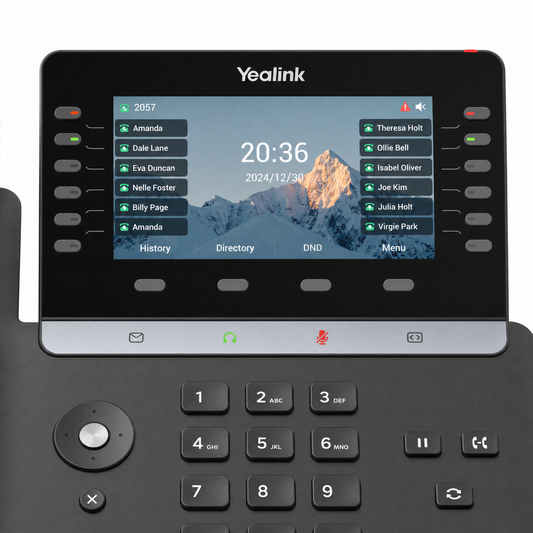
Yealink SIP-T85W Premium IP Business Phone with 5.5" Display, Wi-Fi 6, Bluetooth 5.0
-
- Regular price
- $202.00
- Sale price
- $202.00
- Unit price
- per
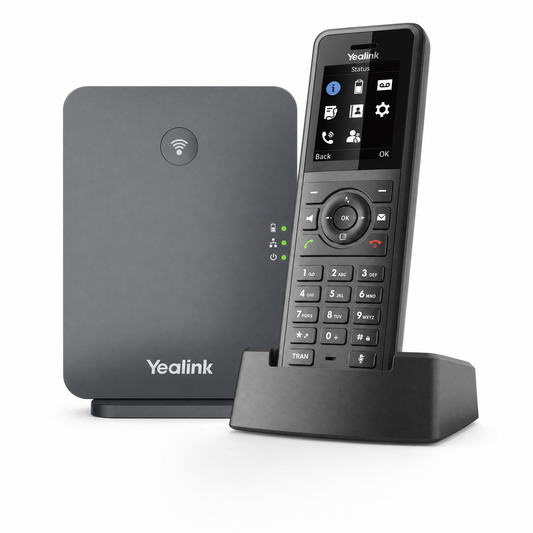
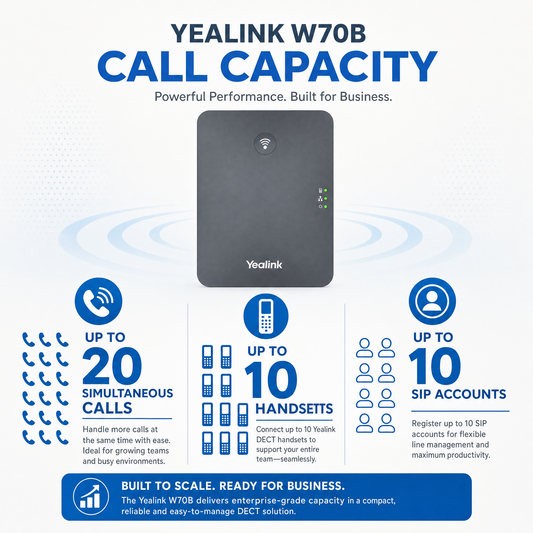
Yealink W77P Rugged DECT Cordless Phone System with W70B Base and W57R Handset for Industrial Use
-
- Regular price
- $250.00
- Sale price
- $250.00
- Unit price
- per
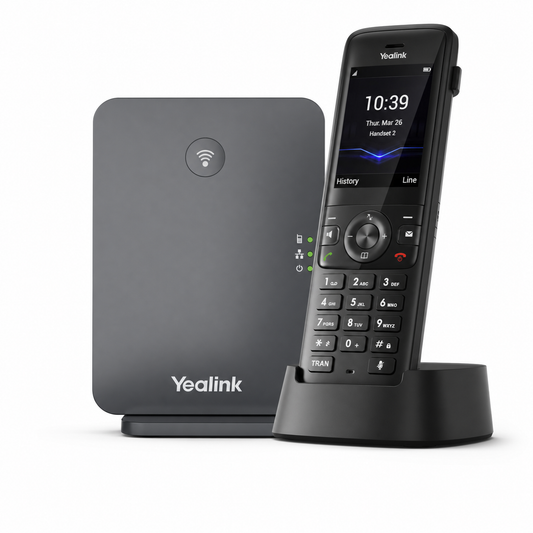
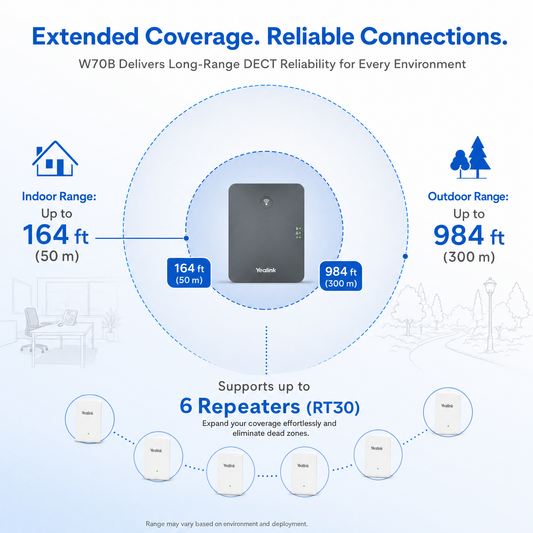
Yealink W78P DECT Wireless IP Phone System with 10 Handset Support for Scalable Enterprise Voice
-
- Regular price
- $220.00
- Sale price
- $220.00
- Unit price
- per
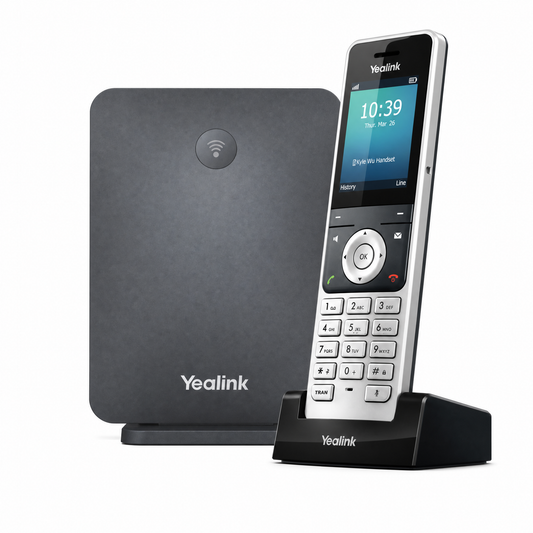

Yealink W76P DECT IP Phone System with Base Station and Handset for Multi-Line Business Communication
-
- Regular price
- $184.99
- Sale price
- $184.99
- Unit price
- per
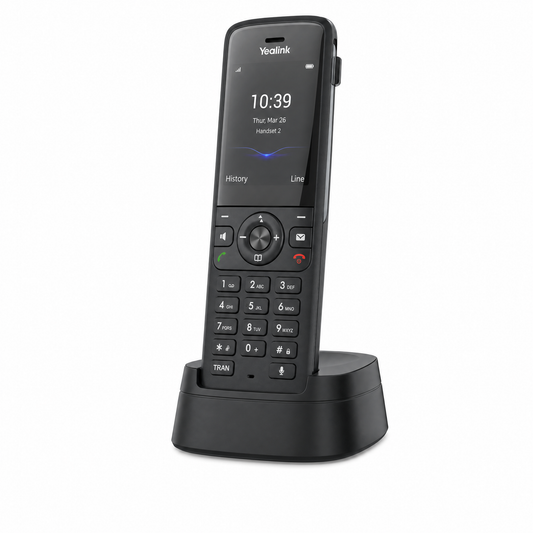
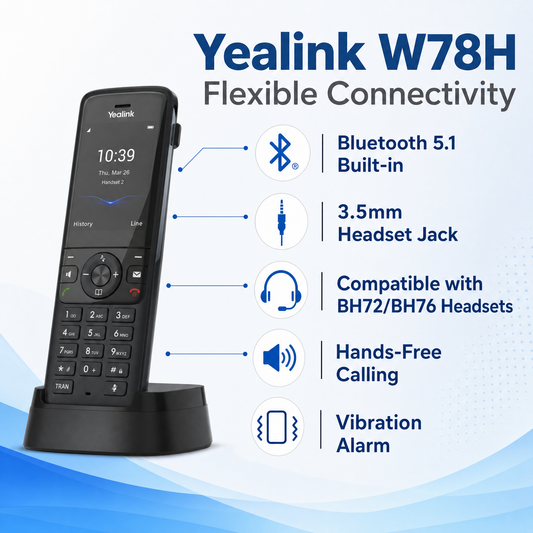
Yealink W78H Wireless DECT Handset with 2.4-Inch Color Display and Bluetooth 5.1 for Business
-
- Regular price
- $145.00
- Sale price
- $145.00
- Unit price
- per
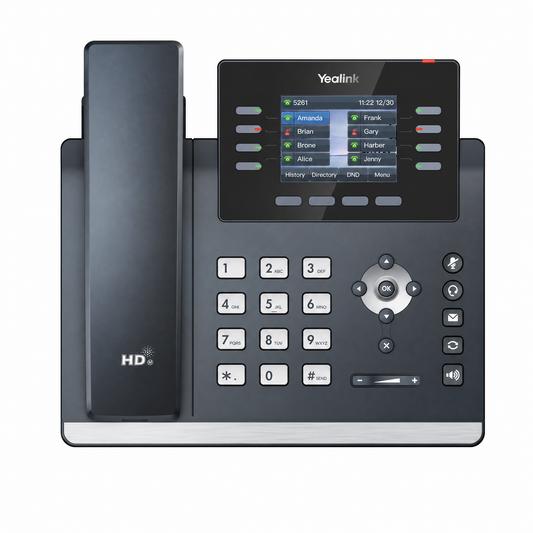
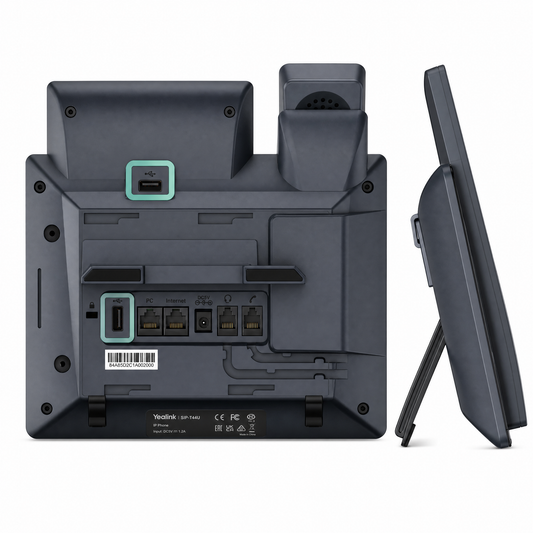
Yealink SIP-T77U VOIP Phone with 7-Inch Touchscreen for Executive Communication
-
- Regular price
- $235.00
- Sale price
- $235.00
- Unit price
- per
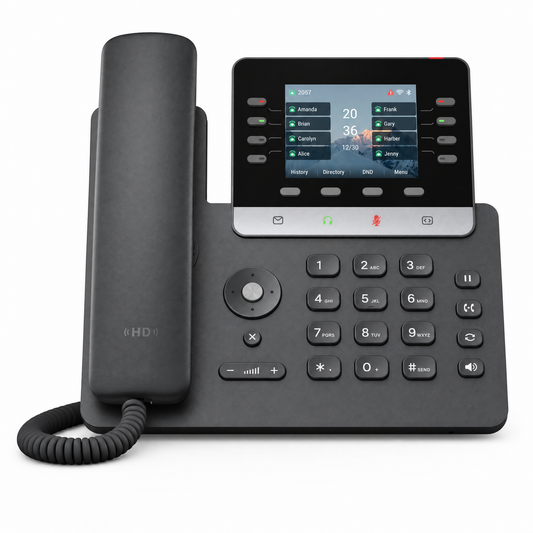
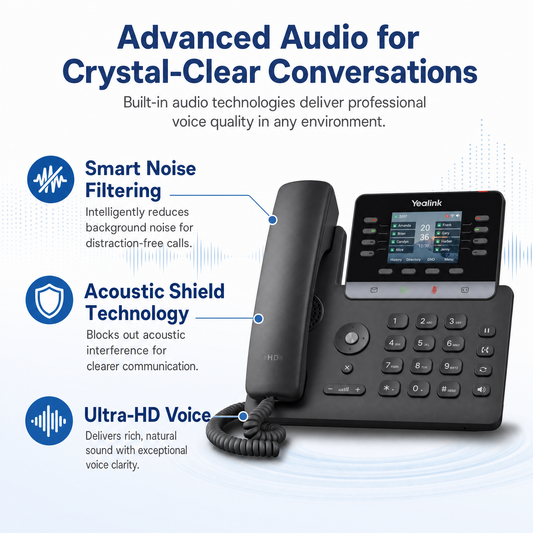
Yealink SIP-T73U Gigabit IP Phone with 2.8-Inch Color Display and 12 SIP Lines for Enterprise VoIP
-
- Regular price
- $128.00
- Sale price
- $128.00
- Unit price
- per
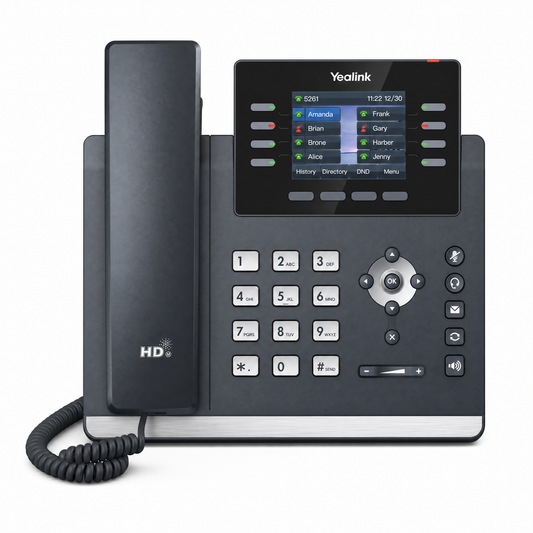
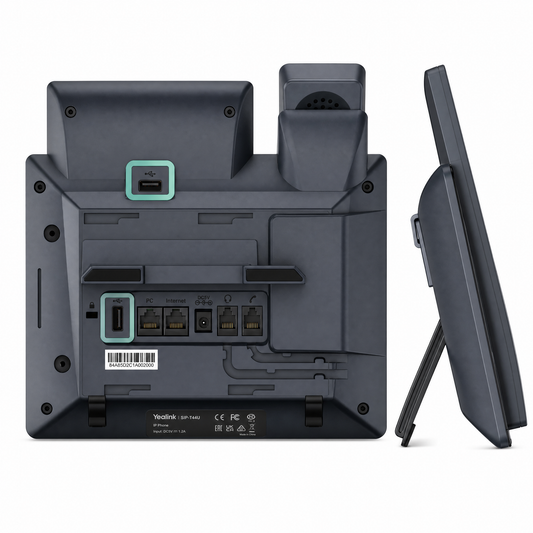
Yealink SIP-T44U IP Phone | 12-Line Gigabit VoIP Desk Phone with Color Display for Enterprise
-
- Regular price
- $120.00
- Sale price
- $120.00
- Unit price
- per
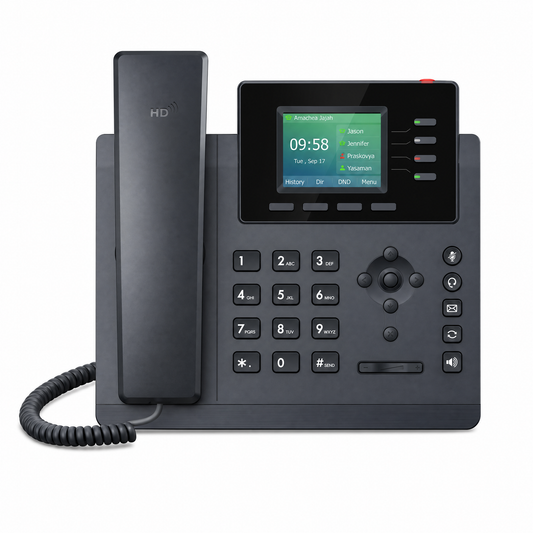
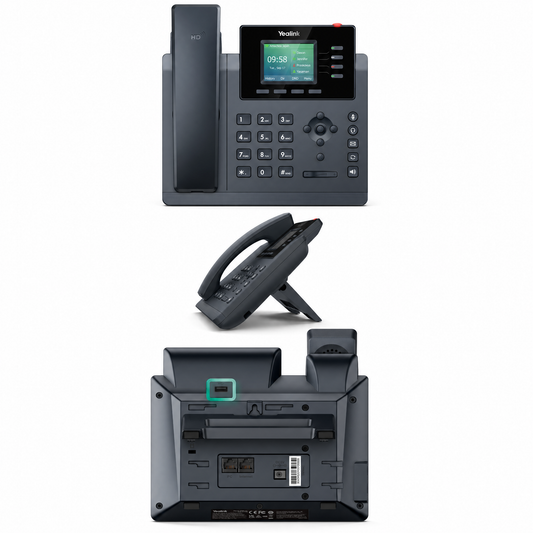
Yealink SIP-T34W IP Phone with Built-In Dual-Band Wi-Fi for Enterprise VoIP Communications
-
- Regular price
- $100.00
- Sale price
- $100.00
- Unit price
- per
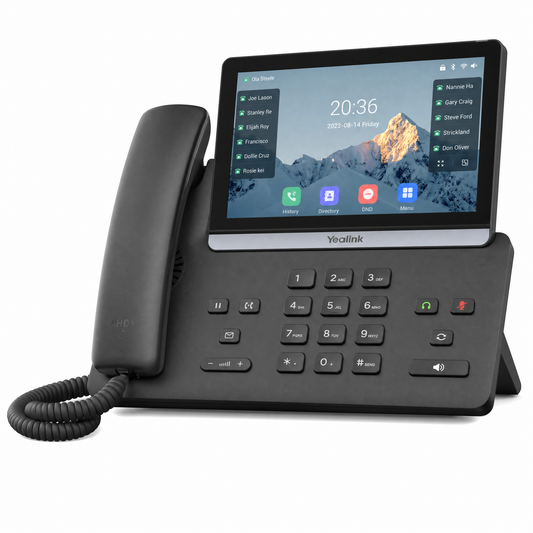

Yealink SIP-T87W Executive IP Phone with 7-Inch Touchscreen, Wi-Fi 6 & Bluetooth 5.0
-
- Regular price
- $270.00
- Sale price
- $270.00
- Unit price
- per
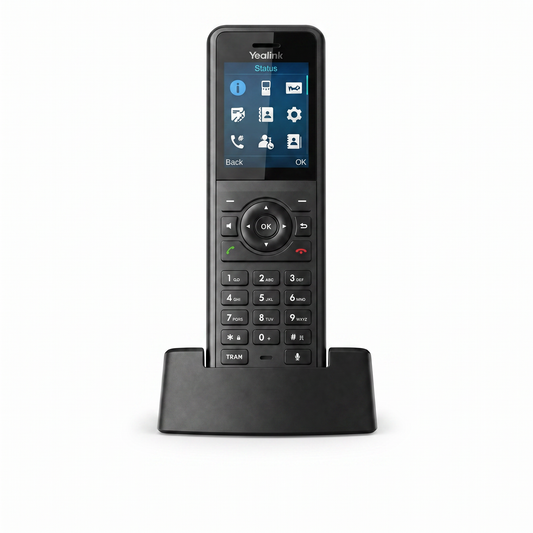
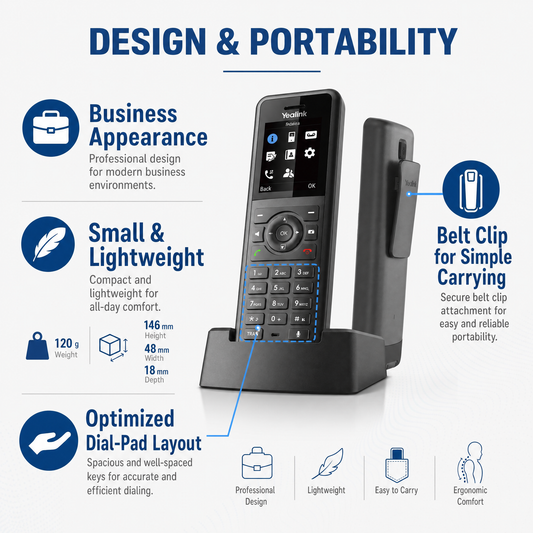
Yealink W57R Rugged DECT Handset - IP54 Rated Cordless Phone for Harsh Environments
-
- Regular price
- $172.50
- Sale price
- $172.50
- Unit price
- per
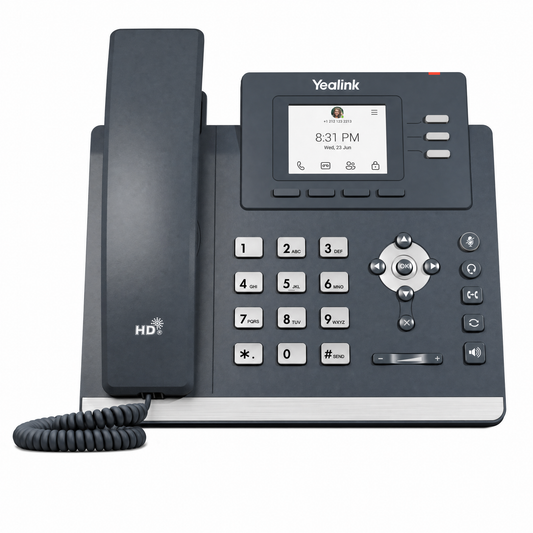
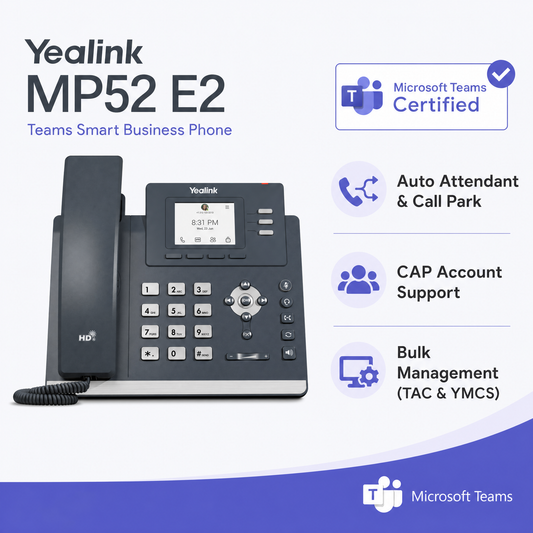
Yealink MP52-E2-Teams Microsoft Teams Phone - Non-Touchscreen Desk Phone for Public Areas
-
- Regular price
- $185.06
- Sale price
- $185.06
- Unit price
- per
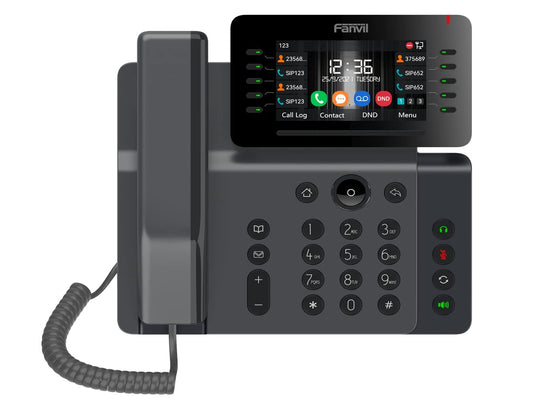
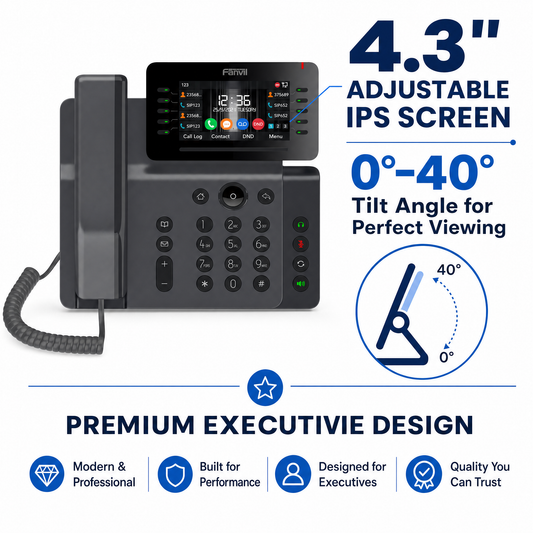
Fanvil V65 Executive IP Phone with Adjustable 4.3" Screen and Dual-Band Wi-Fi for Modern Offices
-
- Regular price
- $169.00
- Sale price
- $169.00
- Unit price
- per
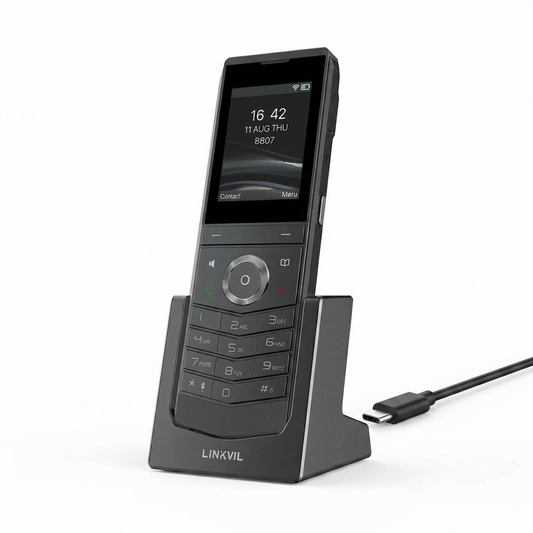
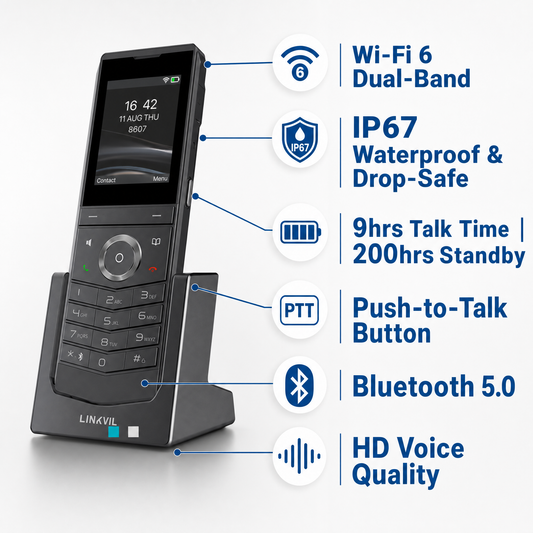
Fanvil Linkvil W611W IP67 Ruggedized Wi-Fi 6 Cordless VoIP Phone with Bluetooth for Enterprise Mobility
-
- Regular price
- $151.00
- Sale price
- $151.00
- Unit price
- per
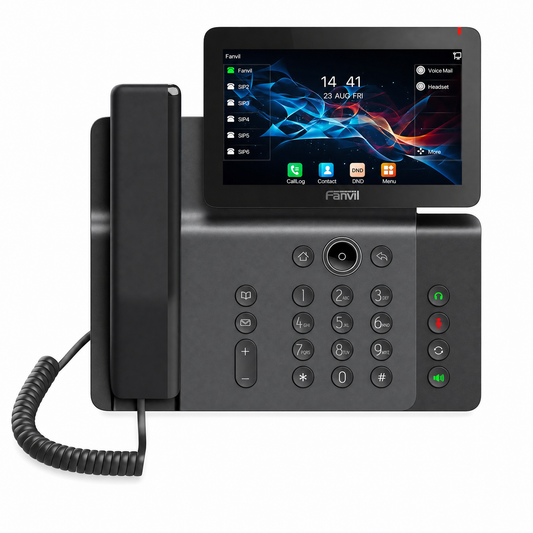
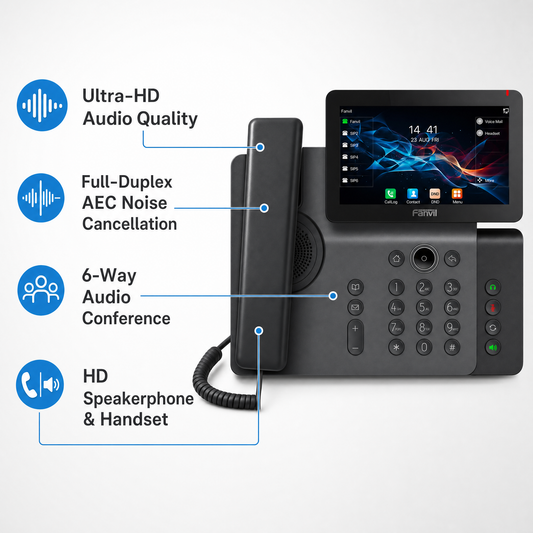
Fanvil V66 Prime Business IP Phone with 7-Inch Touchscreen and Wi-Fi 6 for Enterprise Offices
-
- Regular price
- $170.00
- Sale price
- $170.00
- Unit price
- per
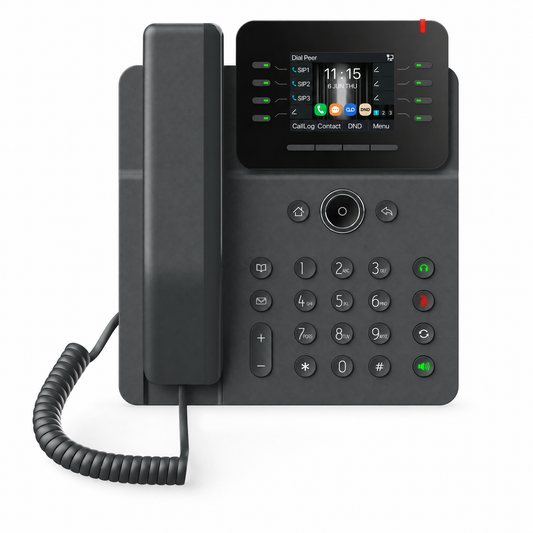
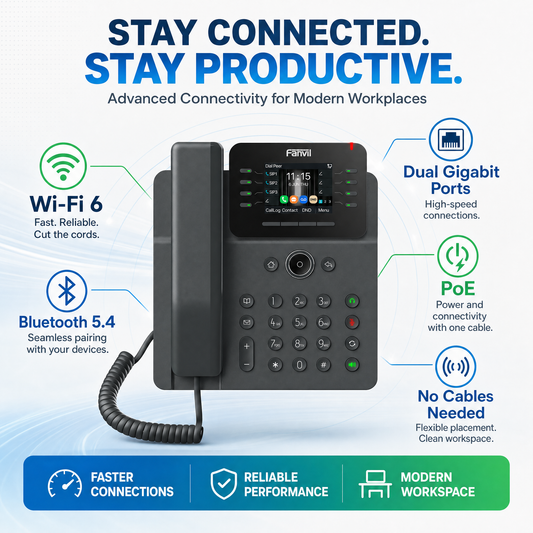
Fanvil V62W Business IP Phone with 2.8" Color Display, 12 SIP Lines, Wi-Fi 6 & Bluetooth 5.4
-
- Regular price
- $105.00
- Sale price
- $105.00
- Unit price
- per
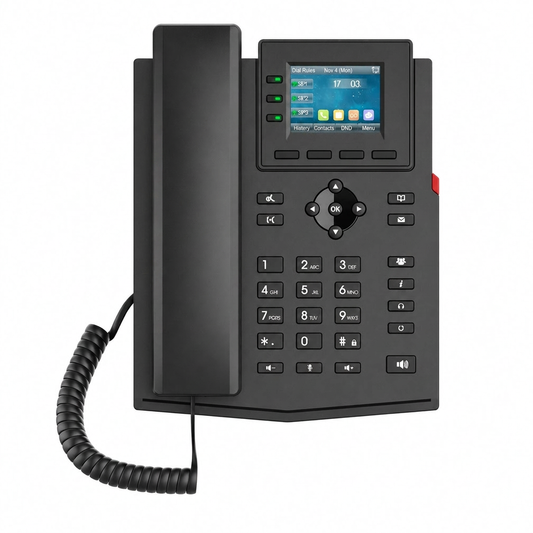
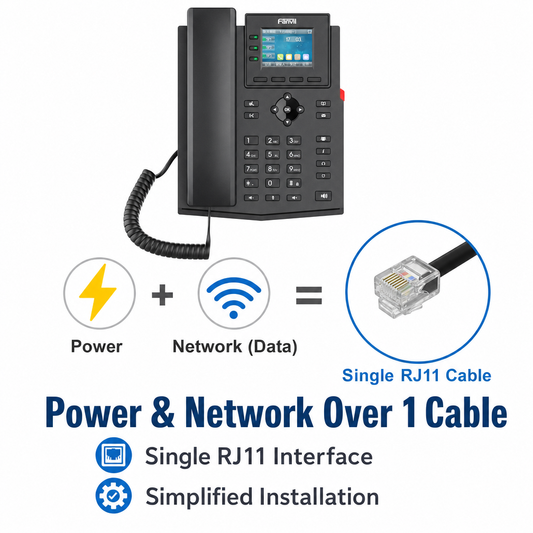
Fanvil X303-2 Wire IP Phone - 4 SIP Lines, 2.4" Color Display, RJ11 2-Wire Network & Power Connection
-
- Regular price
- $59.00
- Sale price
- $59.00
- Unit price
- per
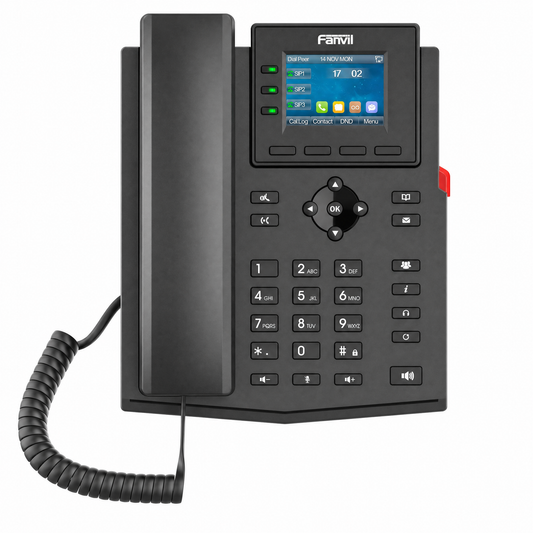
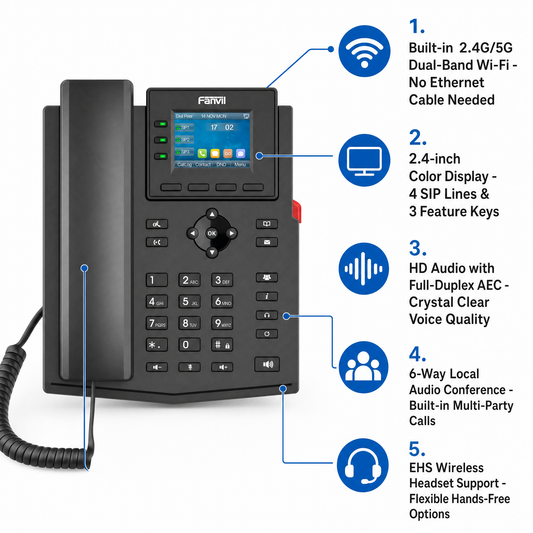
Fanvil X303W Enterprise IP Phone with Dual-Band Wi-Fi and 4 SIP Lines for Business Communications
-
- Regular price
- $65.00
- Sale price
- $65.00
- Unit price
- per
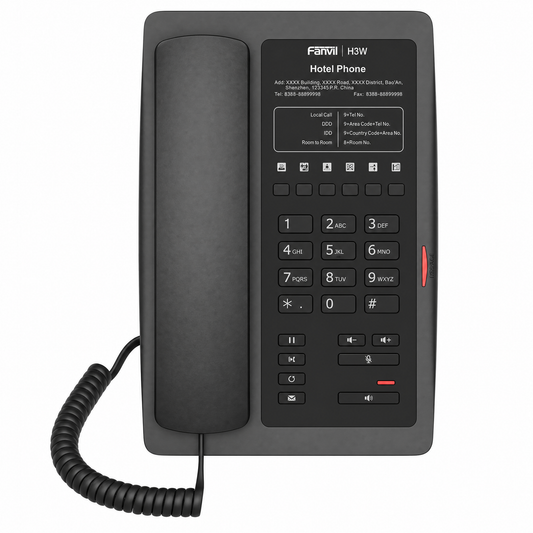
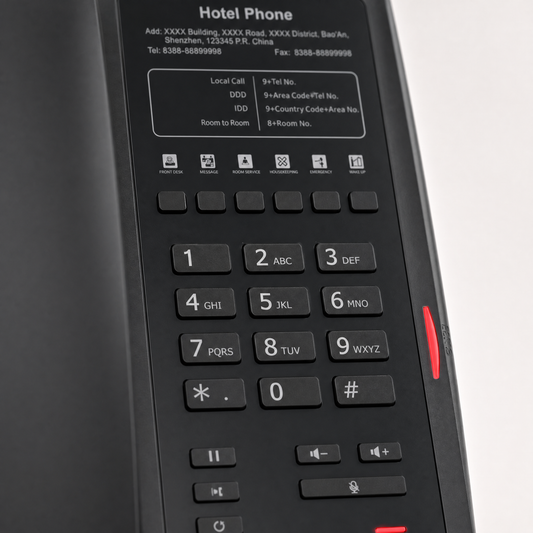
Fanvil H3W WiFi IP Phone with HD Audio for Hotels and Hospitality - 2 SIP Lines
-
- Regular price
- $72.00
- Sale price
- $72.00
- Unit price
- per
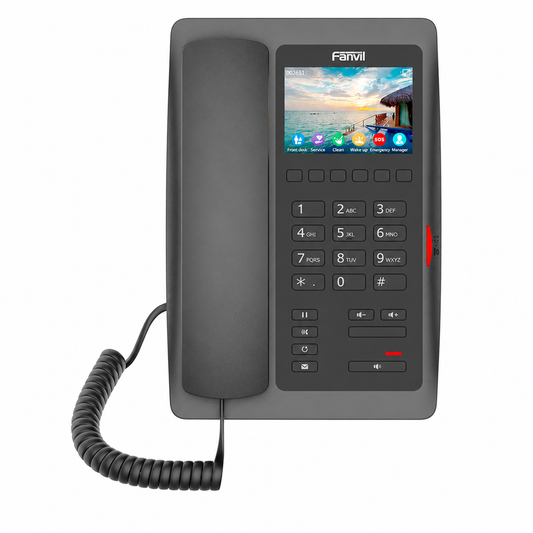
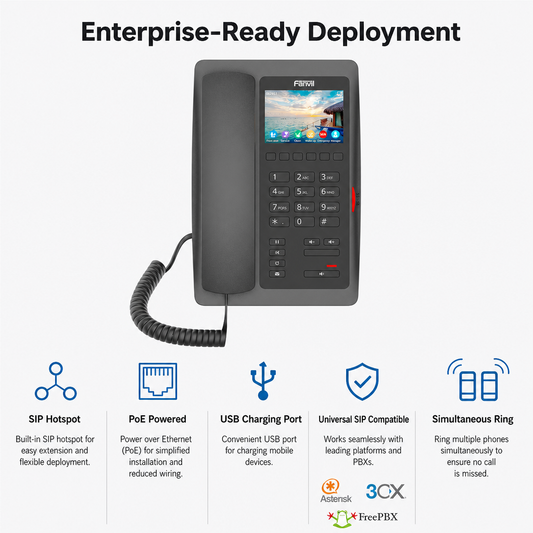
Fanvil H5W Wi-Fi Hotel IP Phone with 3.5" Color Display and Video Intercom for Hospitality
-
- Regular price
- $108.00
- Sale price
- $108.00
- Unit price
- per
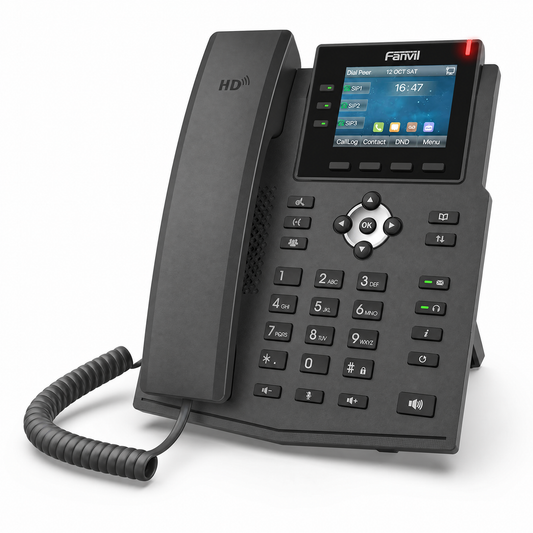
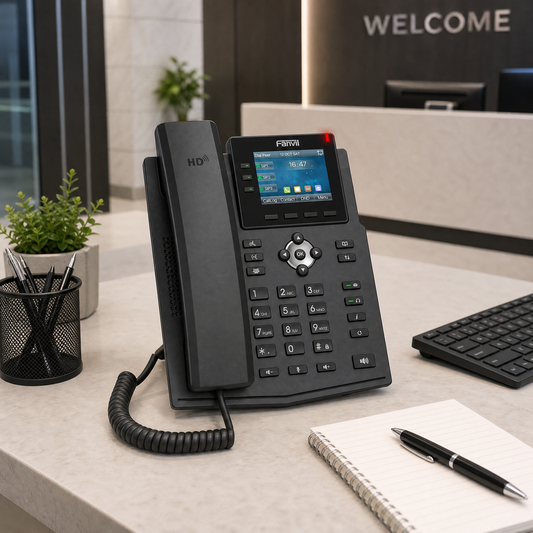
Fanvil X3U IP Phone - 6-Line Gigabit VoIP Desk Phone with 2.8-Inch Color Display for Office
-
- Regular price
- $69.00
- Sale price
- $69.00
- Unit price
- per
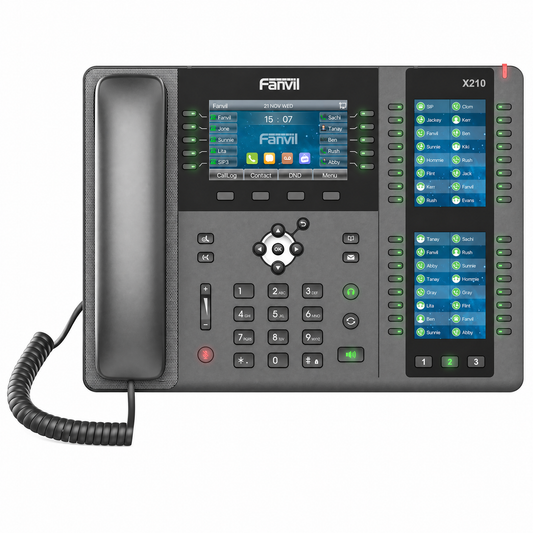
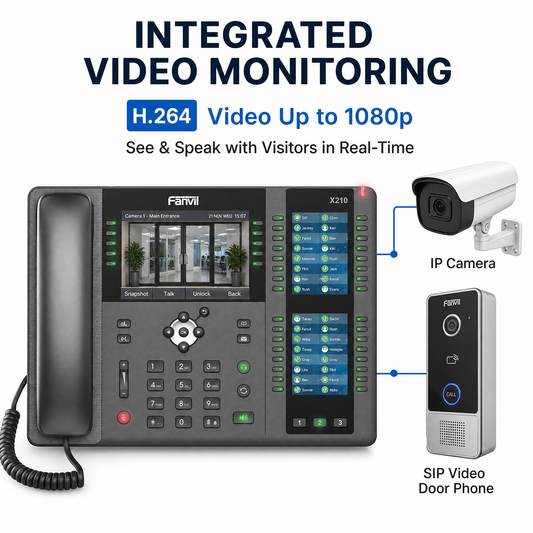
Fanvil X210i Visualization Paging Console with 20 SIP Lines and Gooseneck Microphone
-
- Regular price
- $299.00
- Sale price
- $299.00
- Unit price
- per
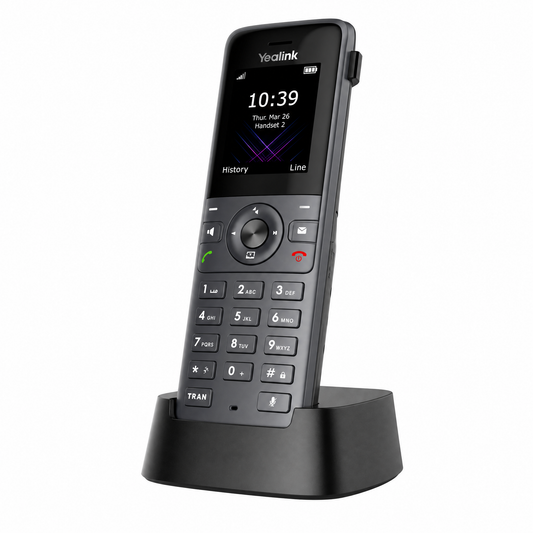
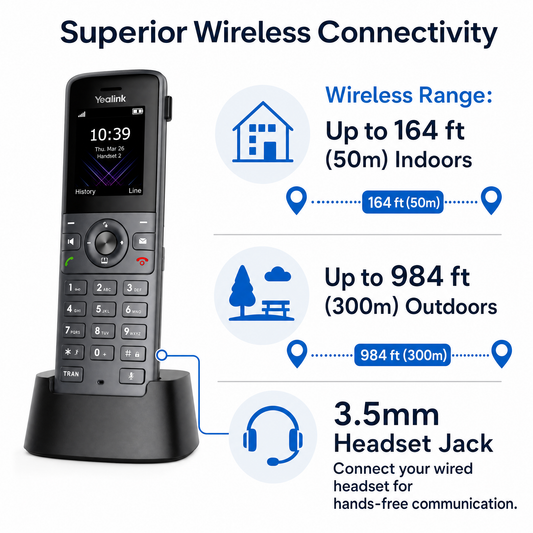
Yealink W73H DECT Wireless Handset with HD Voice and 35-Hour Talk Time for Business VoIP Systems
-
- Regular price
- $109.00
- Sale price
- $109.00
- Unit price
- per
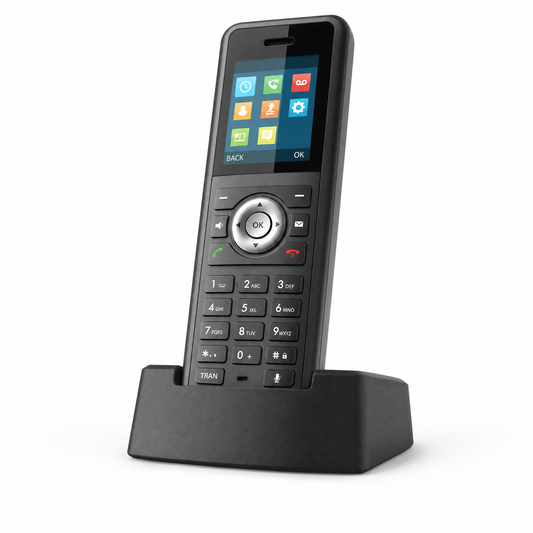
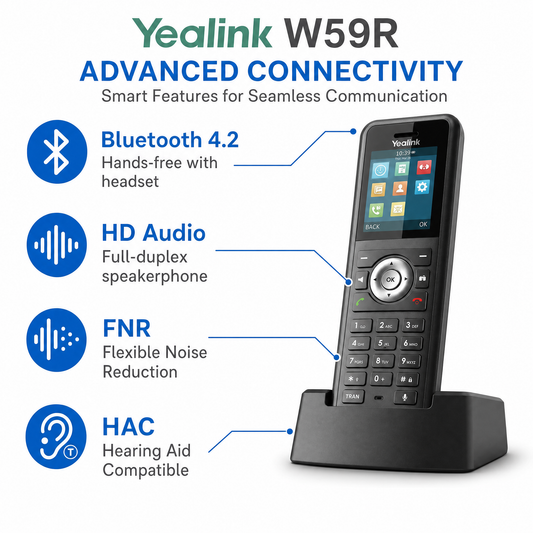
Yealink W59R IP67 Rugged DECT Handset for Harsh Environments with Bluetooth and Vibration Alert
-
- Regular price
- $225.00
- Sale price
- $225.00
- Unit price
- per
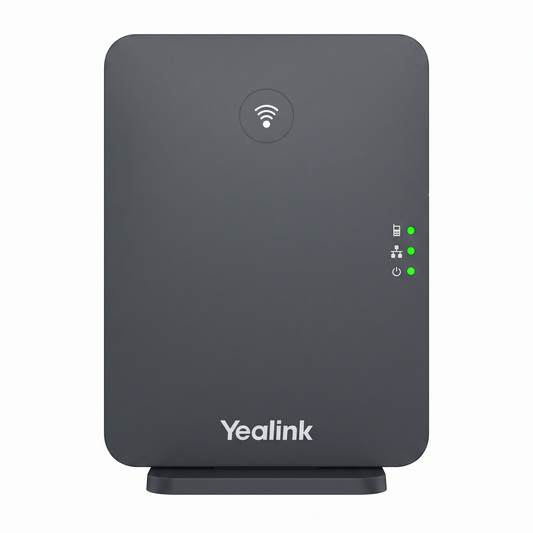

Yealink W70B DECT IP Base Station for Enterprise - Supports Up to 10 Handsets & 20 Calls
-
- Regular price
- $97.00
- Sale price
- $97.00
- Unit price
- per
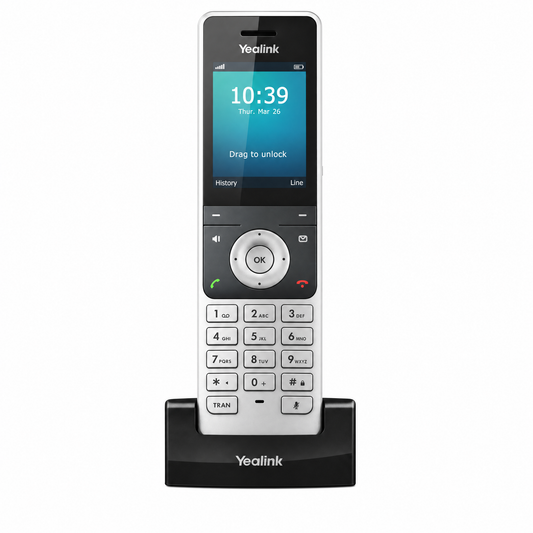
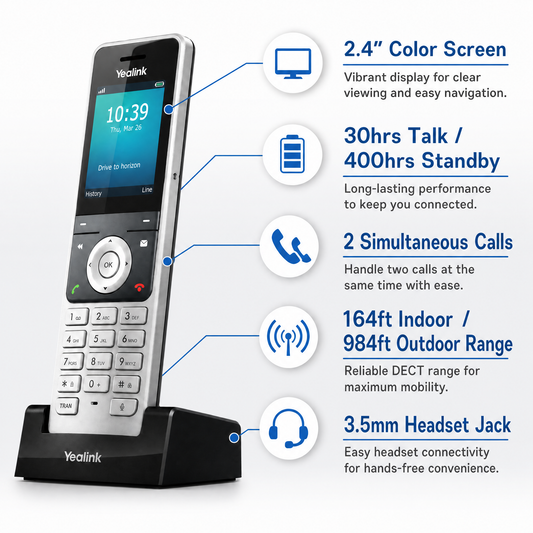
Yealink W56H DECT Wireless Handset with 2.4" Color Display and HD Audio for Business IP Telephony
-
- Regular price
- $105.00
- Sale price
- $105.00
- Unit price
- per
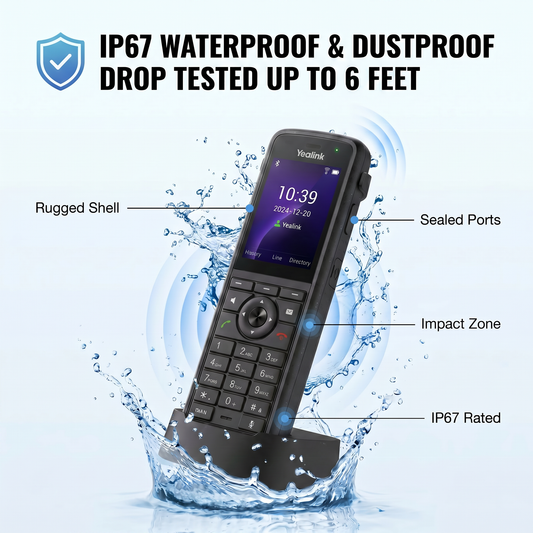
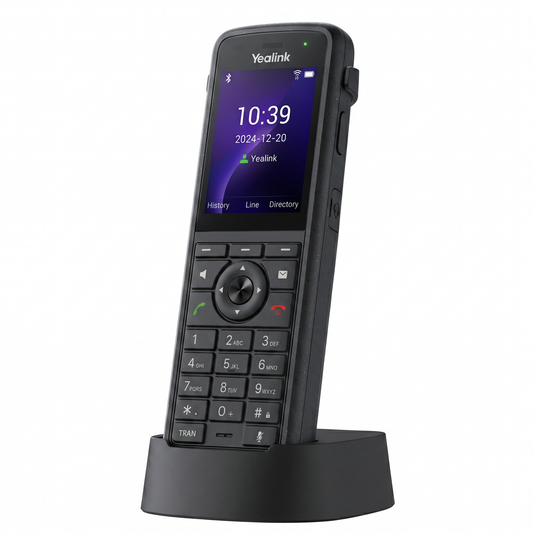
Yealink AX86R Ruggedized Wi-Fi 6 IP Phone with IP67 Rating for Mobile Enterprise Communications
-
- Regular price
- $170.00
- Sale price
- $170.00
- Unit price
- per
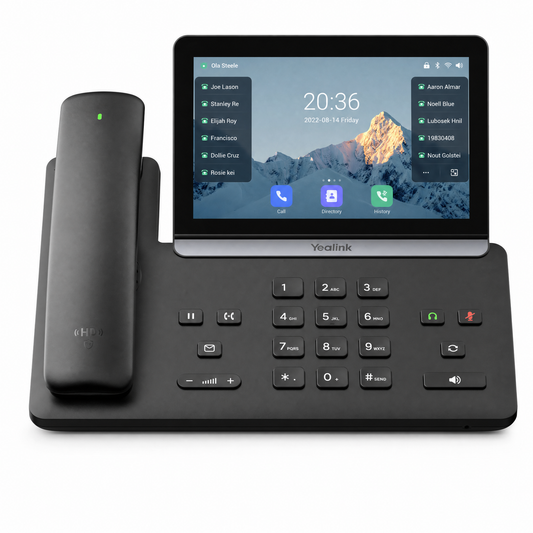

Yealink SIP-T88W Pro Executive IP Phone with Wireless Bluetooth Handset and 7-Inch Touchscreen
-
- Regular price
- $439.00
- Sale price
- $439.00
- Unit price
- per
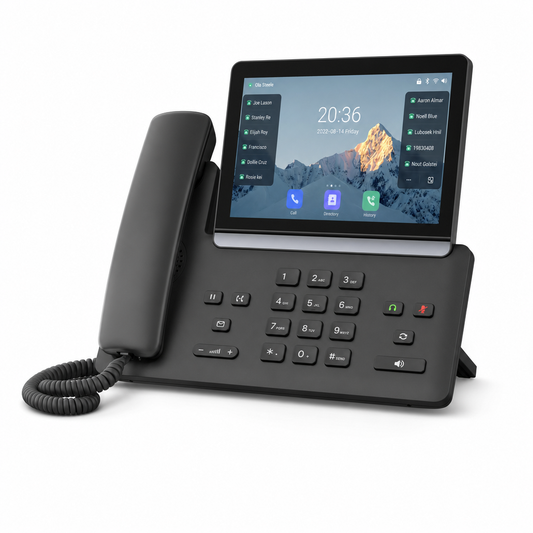
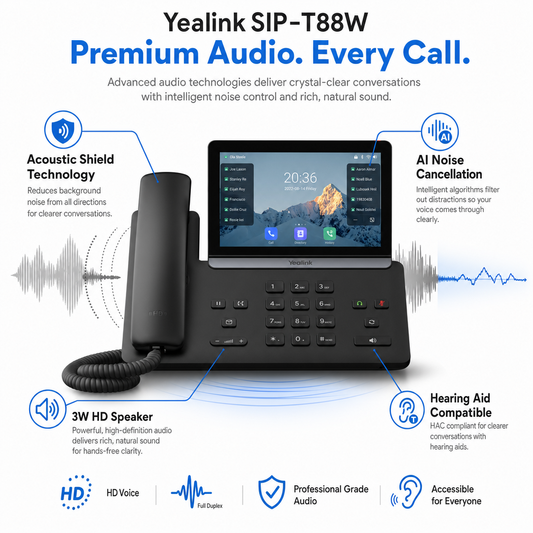
Yealink SIP-T88W Smart Business IP Phone with 7-Inch Touchscreen and Optional Bluetooth Handset
-
- Regular price
- $400.00
- Sale price
- $400.00
- Unit price
- per
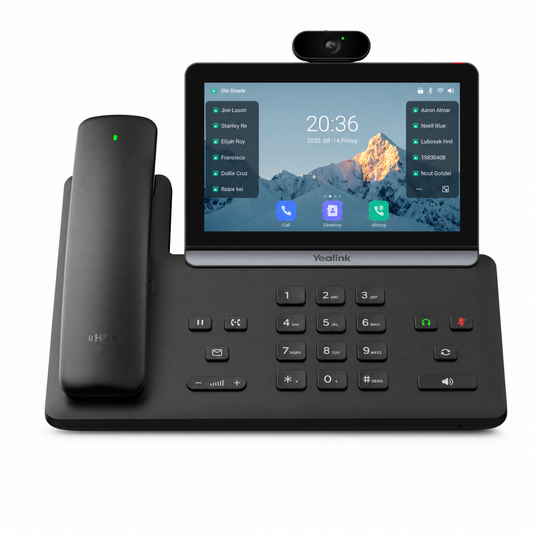
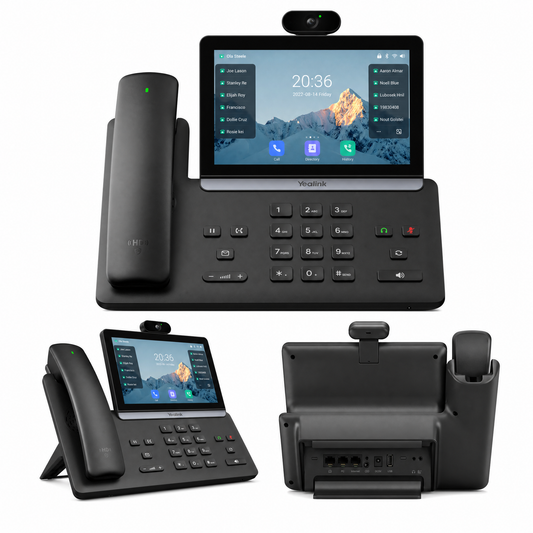
Yealink SIP-T88V Pro Smart Business Phone with 7-Inch Touchscreen, 5MP HD Camera, and Bluetooth Handset
-
- Regular price
- $538.00
- Sale price
- $538.00
- Unit price
- per

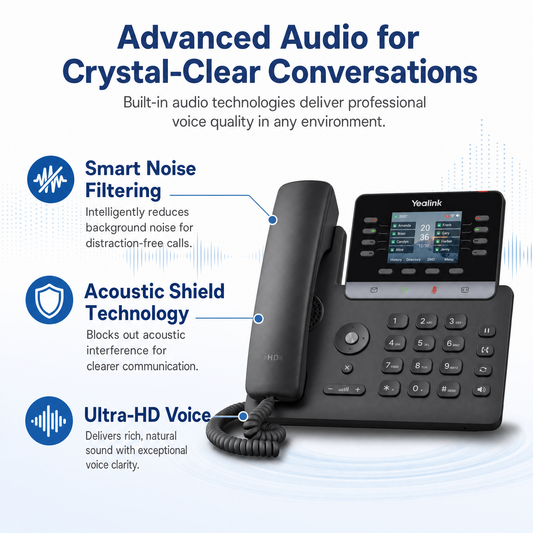
Yealink SIP-T73W IP Phone with Wi-Fi 6 and Bluetooth for Enterprise Unified Communications
-
- Regular price
- $130.00
- Sale price
- $130.00
- Unit price
- per

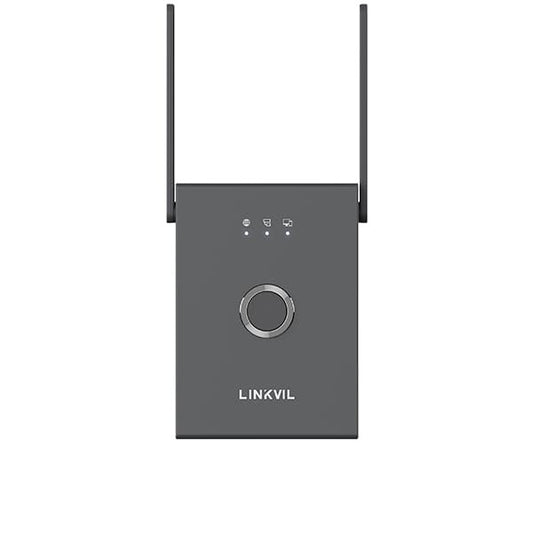
Fanvil W710P DECT Wireless SIP Phone System with Base and Handset – HD Audio, Long Range, 10 Lines, 20 SIP Accounts, 2.0" Color Screen, Bluetooth, Drop Resistant, for Office & Business Use
-
- Regular price
- $130.00
- Sale price
- $130.00
- Unit price
- per
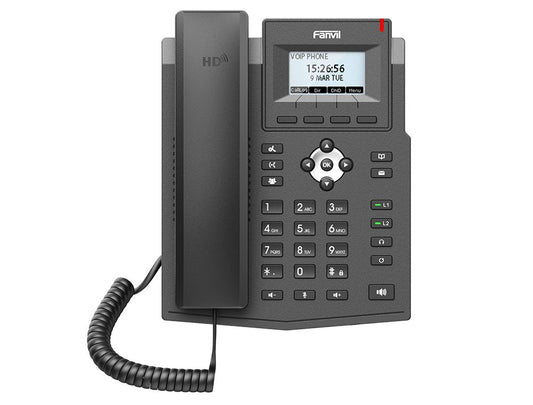
Fanvil X3SG Touch Screen VoIP Phone - Pro Entry Level
-
- Regular price
- $65.00
- Sale price
- $65.00
- Unit price
- per
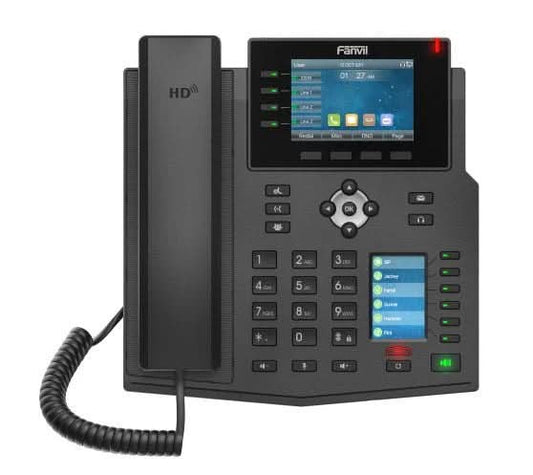
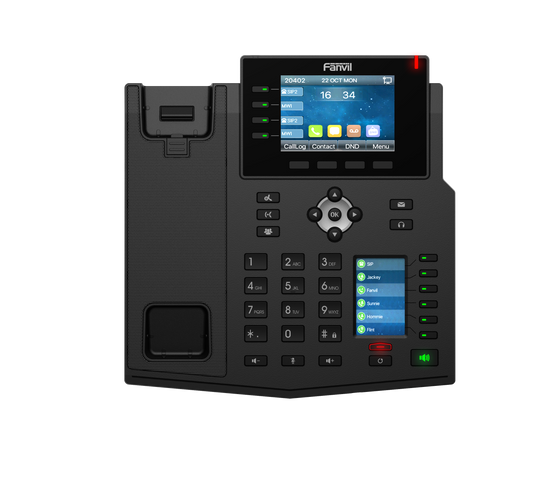
Fanvil X5U V2 Enterprise IP Phone with Dual Color Screens and 16 SIP Lines for Business
-
- Regular price
- $99.00
- Sale price
- $99.00
- Unit price
- per
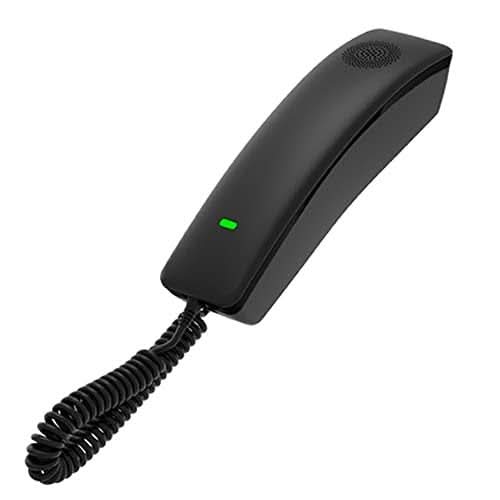
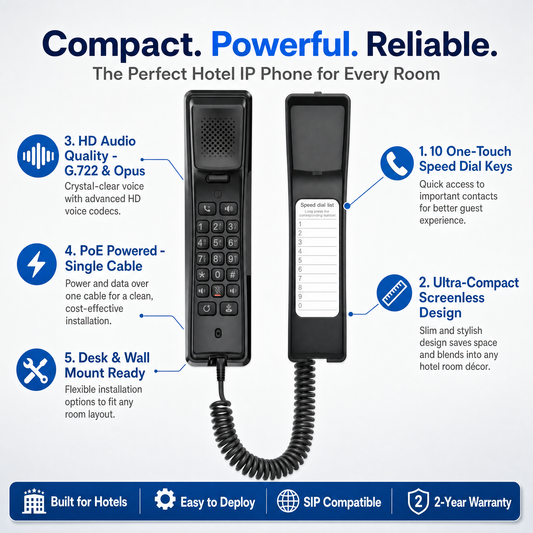
Fanvil H2U Compact IP Phone with 2 SIP Lines and PoE for Hotel Hospitality Office
-
- Regular price
- $63.00
- Sale price
- $63.00
- Unit price
- per
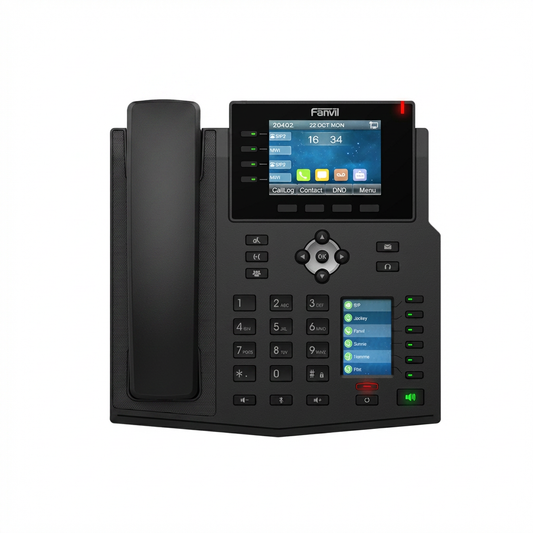
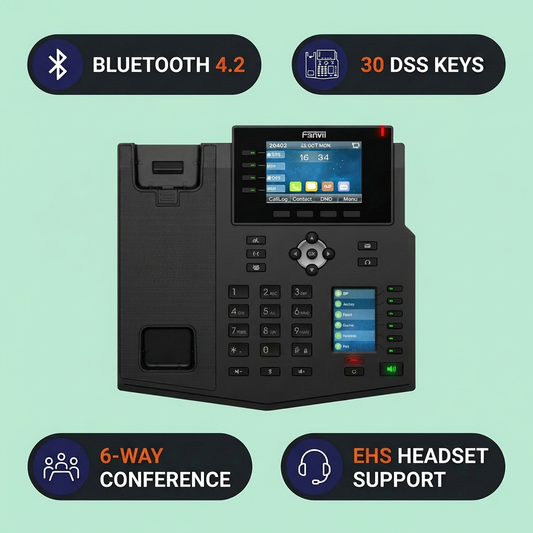
Fanvil X7 Enterprise IP Phone — 7" Capacitive Touch Screen, 20 SIP Lines, 127 DSS Keys, Built-in Bluetooth, Dual Gigabit PoE, H.264 Video Support, Wi-Fi Dongle Ready, Black
-
- Regular price
- $160.00
- Sale price
- $160.00
- Unit price
- per
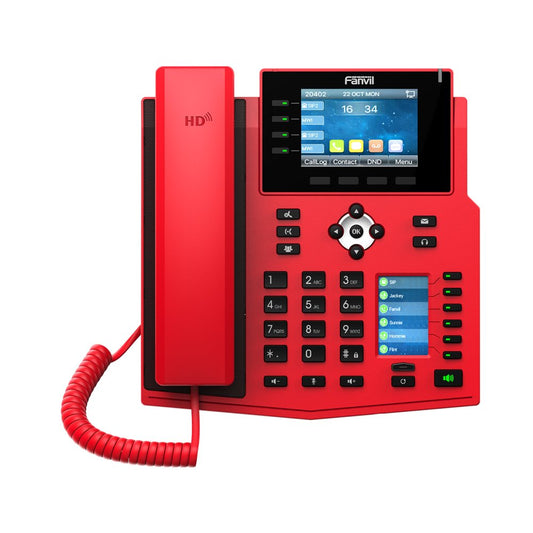
Fanvil X5U Red-V2 16 Line |Mid Level IP Phone
-
- Regular price
- $109.00
- Sale price
- $109.00
- Unit price
- per
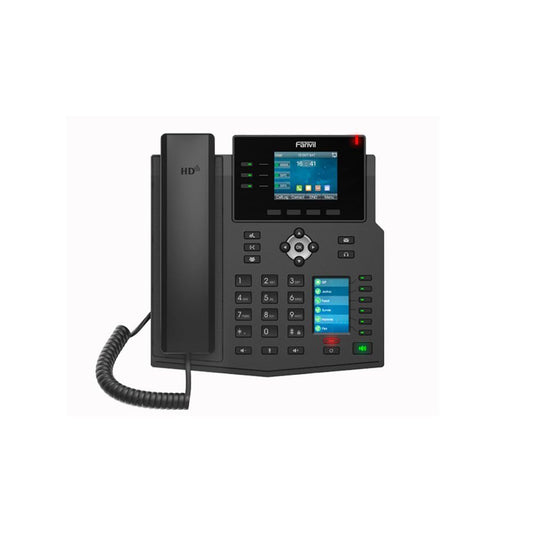
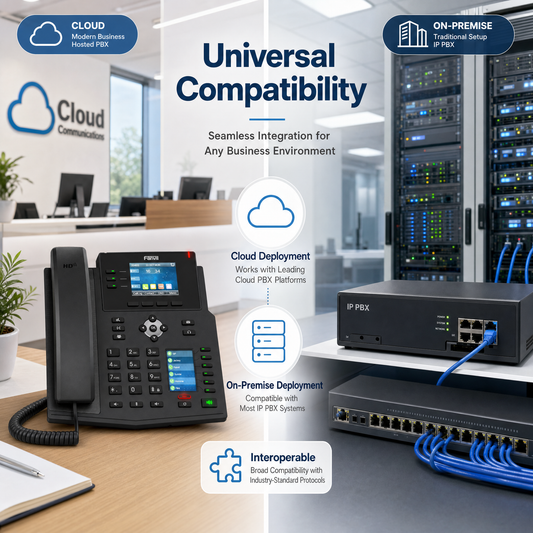
Fanvil X4U V2 Enterprise IP Phone with Dual Color Displays and 12 SIP Lines for Business
-
- Regular price
- $105.00
- Sale price
- $105.00
- Unit price
- per
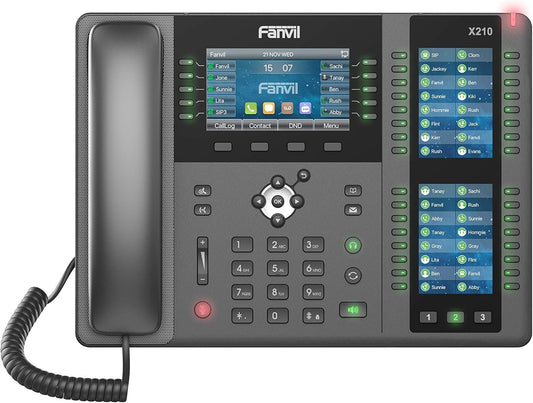
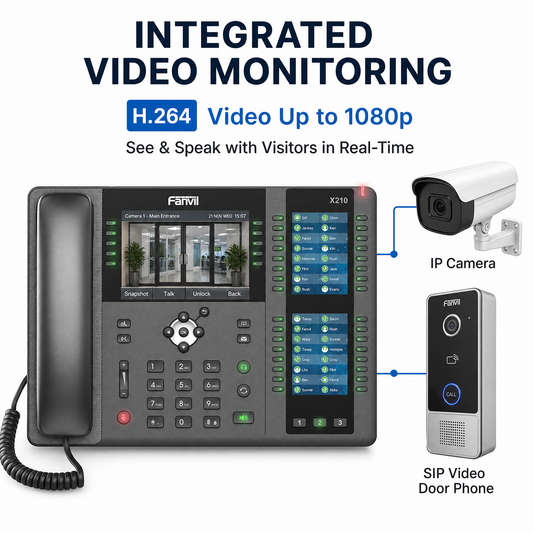
Fanvil X210 V2 Enterprise IP Phone with 2.4" Color Display and Dual Gigabit Ethernet Ports
-
- Regular price
- $199.00
- Sale price
- $199.00
- Unit price
- per
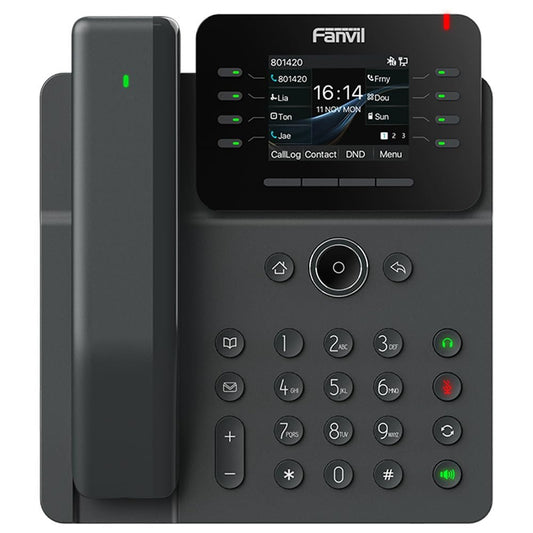
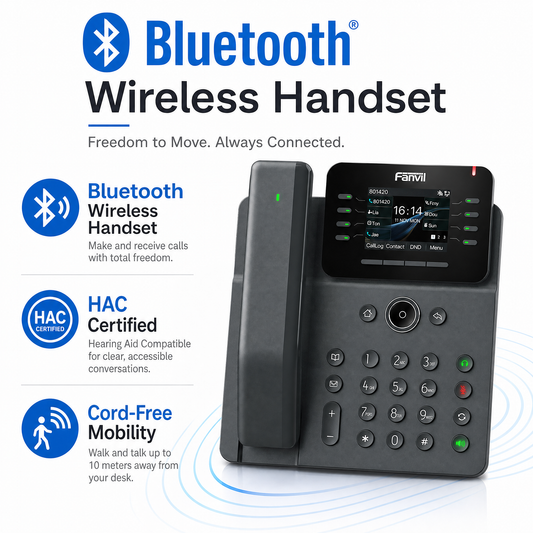
Fanvil V62 Pro IP Phone with Bluetooth Wireless Handset - 12 SIP Lines, 2.8" Color Display, HD Audio
-
- Regular price
- $92.00
- Sale price
- $92.00
- Unit price
- per
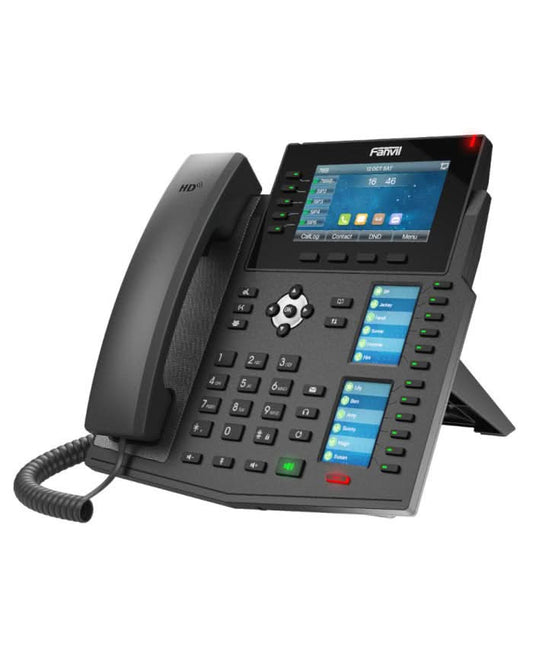
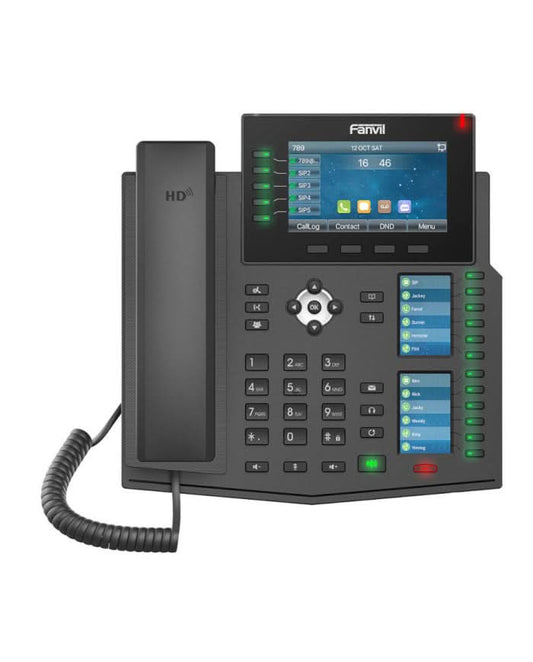
Fanvil X6U VoIP Phone | HD Audio, 20 SIP Lines for Business
-
- Regular price
- $128.00
- Sale price
- $128.00
- Unit price
- per
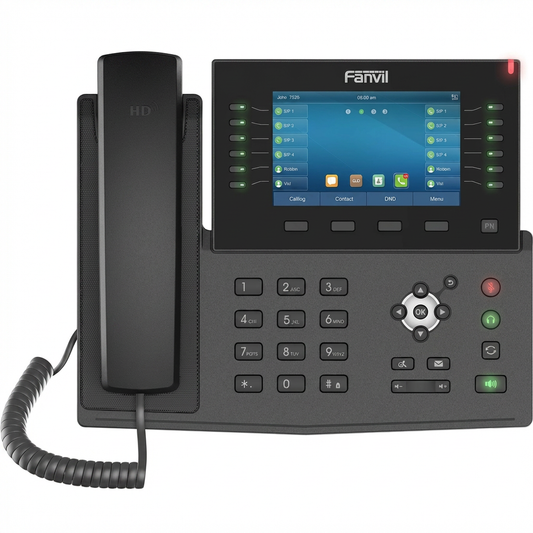
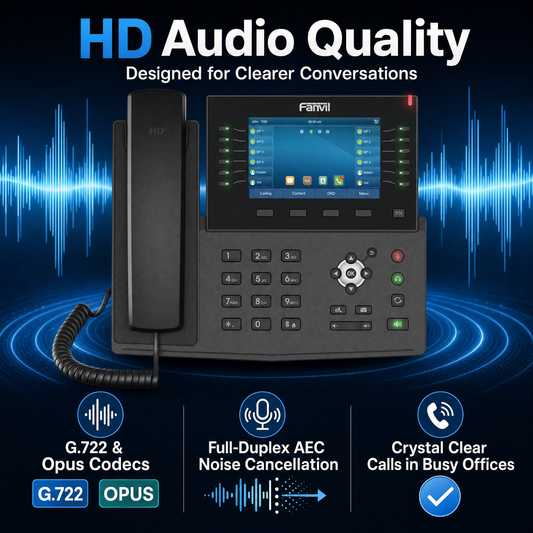
Fanvil X7C Enterprise IP Phone with 5-Inch Color Display, 20 SIP Lines and 60 DSS Keys
-
- Regular price
- $123.00
- Sale price
- $123.00
- Unit price
- per
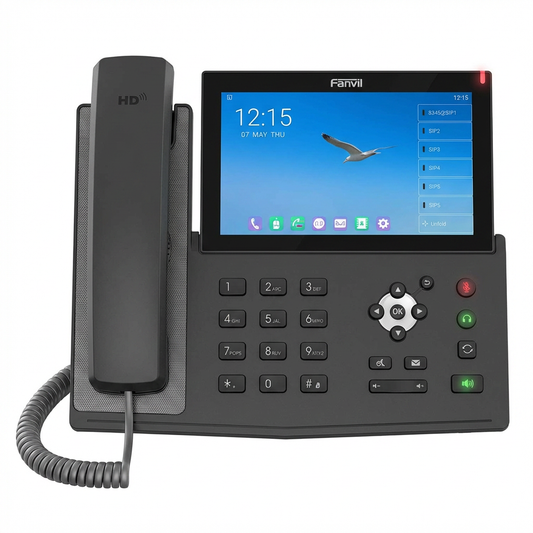
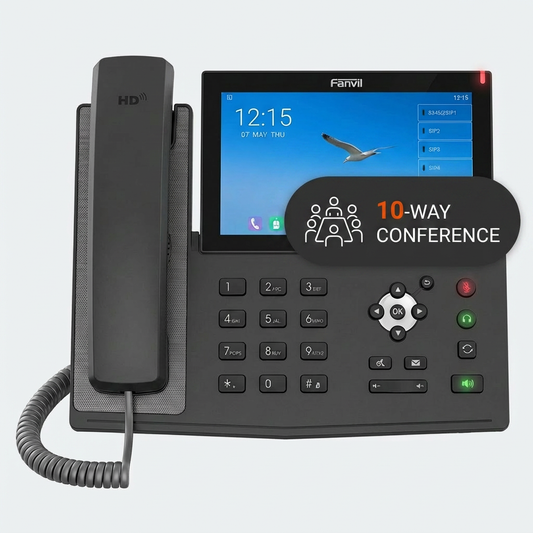
Fanvil X7A Android VoIP Phone - 7-Inch 1024x600 Color Touch Screen, 20 SIP Lines, 112 DSS Keys, Built-in Dual-Band 802.11ac Wi-Fi & Bluetooth, Dual Gigabit, PoE, EHS Headset, 10-Way Conference, Hotspot
-
- Regular price
- $205.00
- Sale price
- $205.00
- Unit price
- per
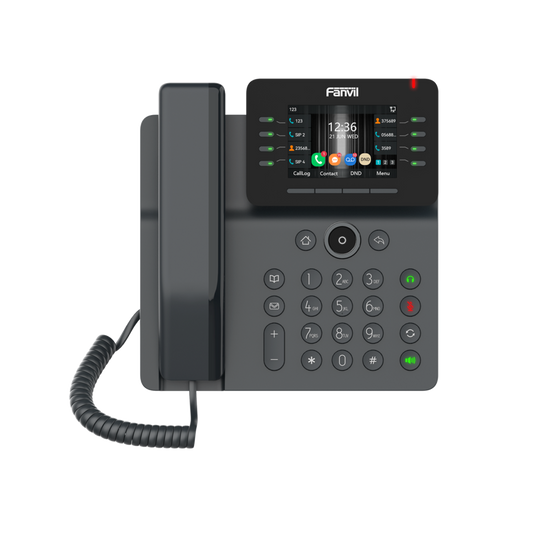
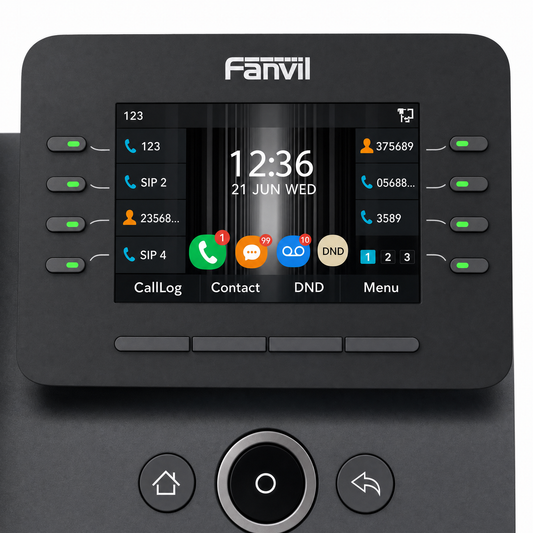
Fanvil V64 Prime Business IP Phone with 3.5" Color Display, Dual-Band Wi-Fi & Bluetooth 4.2
-
- Regular price
- $105.00
- Sale price
- $105.00
- Unit price
- per
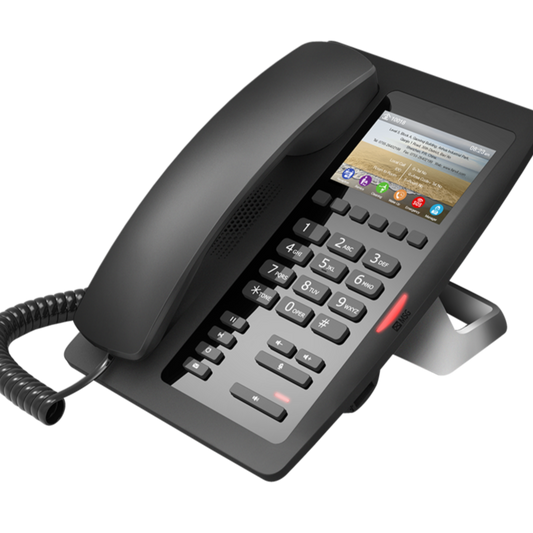
Fanvil H5 Elegant High End | Color Display Hotel Phone
-
- Regular price
- $84.00
- Sale price
- $84.00
- Unit price
- per
